Epigenetic Inheritance: Can Your Lifestyle Change Your Children's DNA?
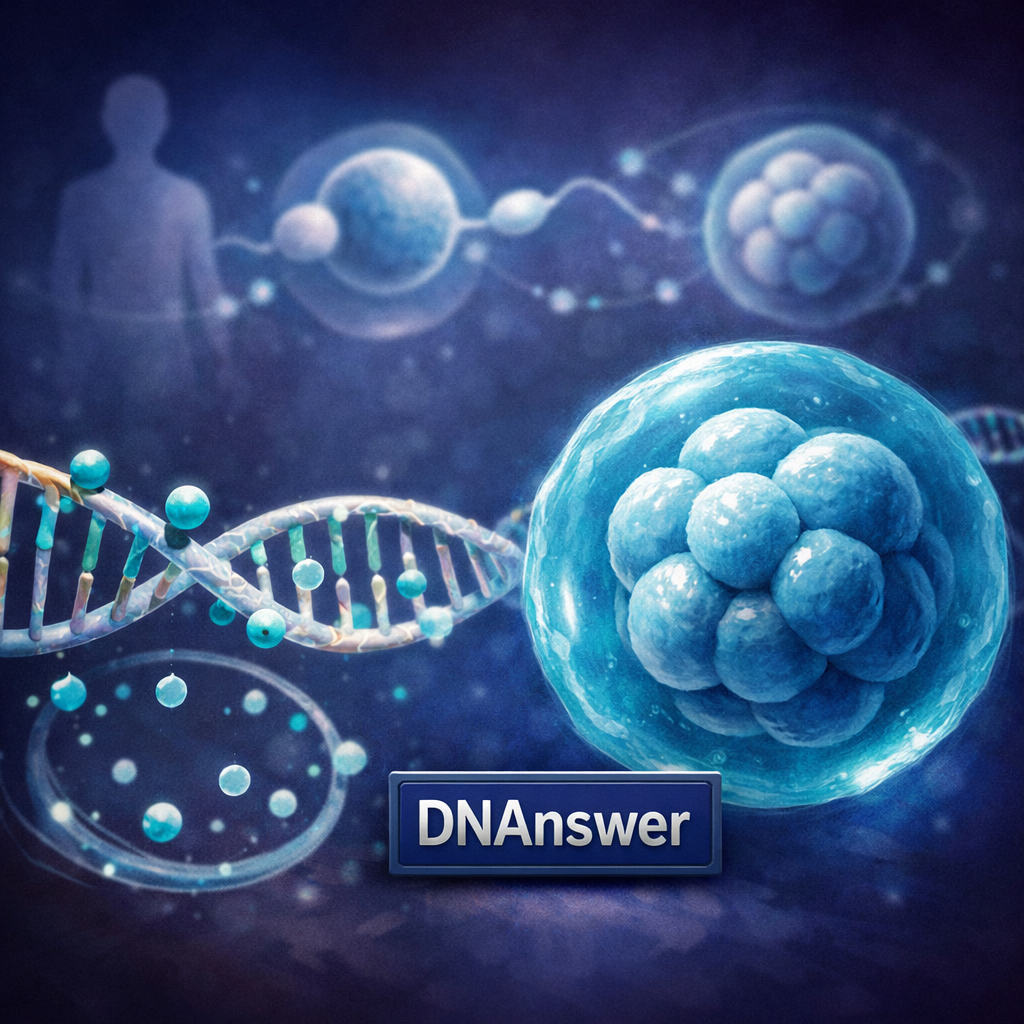
Can eating badly for a decade actually change your future kid's DNA before they're even conceived? Not exactly. Your habits can leave chemical marks on how genes switch on and off — a process called epigenetic inheritance — but almost all of those marks get wiped clean before your child's own genome takes shape.
That gap between "some marks survive" and "your trauma rewires your grandchildren's genes forever" is where most viral science claims live. It's also where the real story gets more interesting than the myth. The mechanism that erases most epigenetic marks each generation is arguably the more remarkable finding than the rare cases where marks slip through.
Key Takeaways
- Epigenetic inheritance changes gene activity, not the DNA sequence itself.
- Germline reprogramming erases most epigenetic marks between generations — that's the norm, not the exception.
- The Dutch Hunger Winter studies show correlation across two generations, not proven multi-generational inheritance.
- True transgenerational inheritance (three-plus generations, no continued exposure) is rare and mostly documented in mice, plants, and worms.
- Your sperm or egg cells can carry some epigenetic marks, but most get reset during early embryo development.
- Lifestyle affects your own gene expression reliably — its effect on your kids' DNA is real but much smaller and less permanent than headlines suggest.
Myth: Your Life Experiences Directly Rewrite Your Children's DNA
This is the biggest misconception, and it's an easy one to fall into because "epigenetics" sounds like it should mean "changing genes." It doesn't. Epigenetic inheritance changes how genes are read, not the genetic code itself — think of it as changing which paragraphs of a book get highlighted, not rewriting the words.
People believe this myth because the language around epigenetics gets flattened for social media. A post says "trauma changes your DNA" because it's punchier than "trauma may alter chemical tags on DNA that influence gene activity, some of which may persist." The kernel of truth is real: stress, diet, smoking, and toxin exposure do change gene expression — which genes get turned up or down — inside your own cells. That part is well established.
What's not established is that this rewrites your DNA sequence. Your genome, the actual sequence of A's, T's, C's, and G's you inherited, stays the same whether you run marathons or eat fast food every night for ten years. What changes is DNA methylation — a small chemical tag (a methyl group) attached to DNA that can turn a gene's activity down — and histone modification, chemical changes to the proteins that DNA wraps around, which can loosen or tighten how accessible a gene is to be read.
Here's the distinction that matters: a mutation permanently changes the letters in your genetic code. An epigenetic mark just changes the volume knob on a gene that's already there. Mutations get passed down with near-total fidelity. Epigenetic marks mostly don't survive the trip from parent to child, because of a process most articles skip entirely: germline reprogramming.
Germline reprogramming happens in the cells that become sperm and eggs. Early in development, these cells go through a near-total erasure of their epigenetic marks, then rebuild a new pattern from scratch. It's less "your children inherit your marks" and more "the marks mostly get sent through a wash cycle before your children exist."
So what should you actually take from this? Your lifestyle shapes your own health outcomes through gene expression changes, and that's worth taking seriously on its own terms. But don't carry guilt or credit for your kids' genetic future based on your habits before conception — the biology doesn't support that direct a link.
If you want the plain definition to keep in your back pocket:
Epigenetics is the study of heritable changes in gene expression that occur without changes to the underlying DNA sequence — a distinction the National Human Genome Research Institute uses to separate epigenetics from mutation.
Myth: The Dutch Hunger Winter Proves Multi-Generational Inheritance in Humans
People cite this study as airtight proof that famine three generations back still affects your health today. It's suggestive, not proof, and it only tracks two generations with strong data — not three or four.
The Dutch Hunger Winter refers to a famine in the Netherlands during the winter of 1944 to 1945, when Nazi occupation cut off food supply lines to the western part of the country. Pregnant women during that famine gave birth to children who, decades later, showed higher rates of obesity, cardiovascular disease, and altered DNA methylation patterns at specific genes, including one called IGF2, which is involved in growth regulation. Researchers have followed this cohort for decades, and it's one of the most cited human datasets in epigenetics.
Here's why people extend it further than the data supports. The story is clean and emotionally resonant: a grandmother starves, and it echoes down the family line. That's a great narrative. But the well-documented effects are on people who were directly exposed in the womb — the fetus itself was developing under famine conditions. That's not inheritance across generations in the strict sense; it's a developmental effect on an individual who happened to be a fetus during the exposure.
What the Study Actually Shows
The strongest data covers two generations: the mothers who experienced famine, and the children who were in utero at the time. Effects on a third generation — grandchildren who were never exposed to famine themselves — exist in some analyses, but the evidence is thinner and harder to separate from other factors like shared environment, diet, and socioeconomic status.
Why This Distinction Matters
Confusing direct fetal exposure with true transgenerational inheritance is one of the most common errors in casual science writing. A fetus exposed to famine is not the same case as a grandchild whose grandmother was exposed before the grandchild's cells even existed. One is a documented biological effect on a developing individual. The other requires marks to survive germline reprogramming across an extra generation, which is a much higher bar.
Human studies also can't isolate variables the way a mouse study in a lab can. Families that lived through the Dutch famine share genes, culture, regional health patterns, and often continued nutritional stress afterward. Untangling "epigenetic inheritance" from "shared environment" in humans is genuinely hard, and researchers studying this cohort are careful about that limitation in their own papers, even when press coverage isn't.
Treat the Dutch Hunger Winter as strong evidence that severe prenatal conditions shape adult disease risk. Treat it as weaker, contested evidence for inheritance reaching beyond the directly exposed generation.
Myth: Any Bad Habit Leaves a Permanent Mark You'll Pass Down
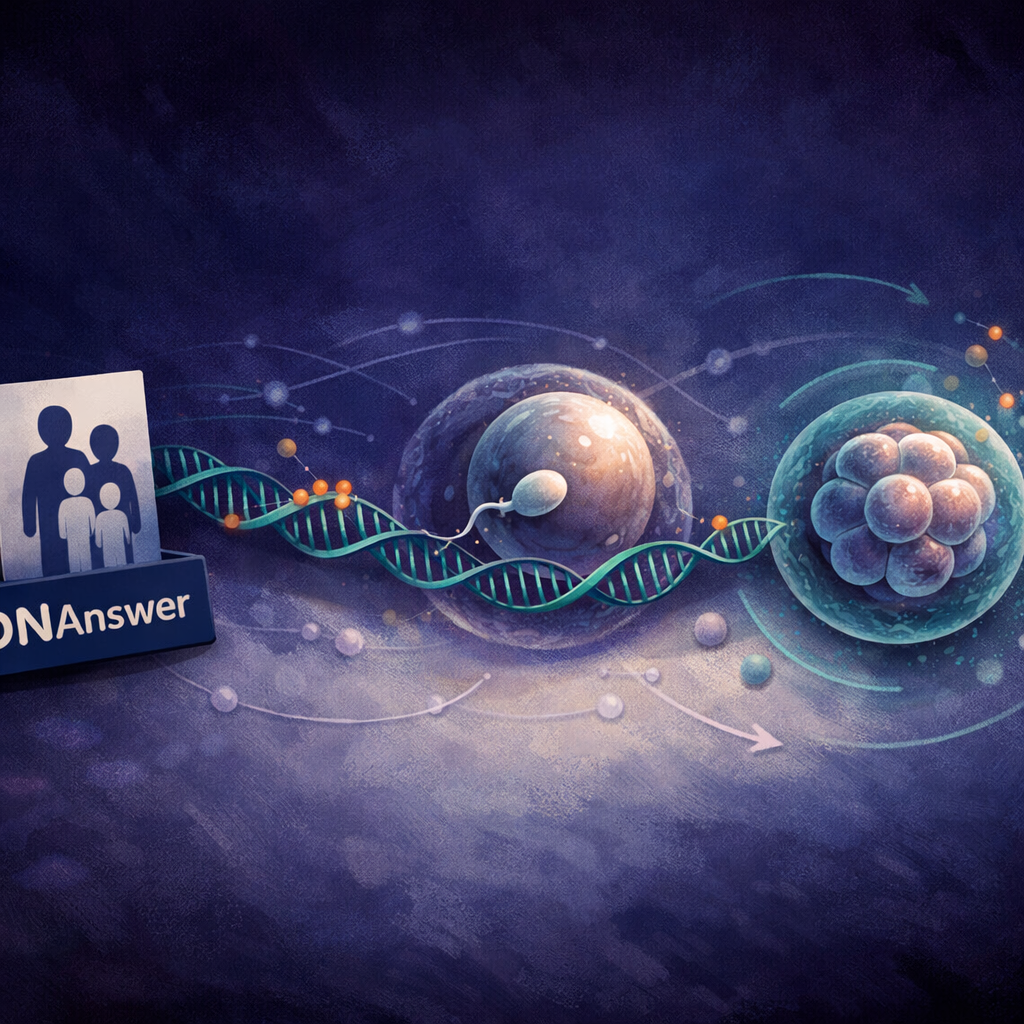
The image people carry is that every cigarette, every skipped salad, every stressful year gets stamped into a heritable mark that outlives you. In reality, most epigenetic changes are temporary, reversible, and tissue-specific — they don't all funnel into sperm or egg cells, and most that do get erased anyway.
The origin of this myth is intuitive but wrong. If gene expression can change in response to environment, and gene expression can sometimes be inherited, people assume every environmental input becomes heritable by default. That's not how the system works. Most methylation changes triggered by, say, a stressful job or a few months of poor sleep occur in tissues like skin, liver, or immune cells — cells that have nothing to do with reproduction and can't pass anything to offspring even in principle.
The Sperm and Egg Exception
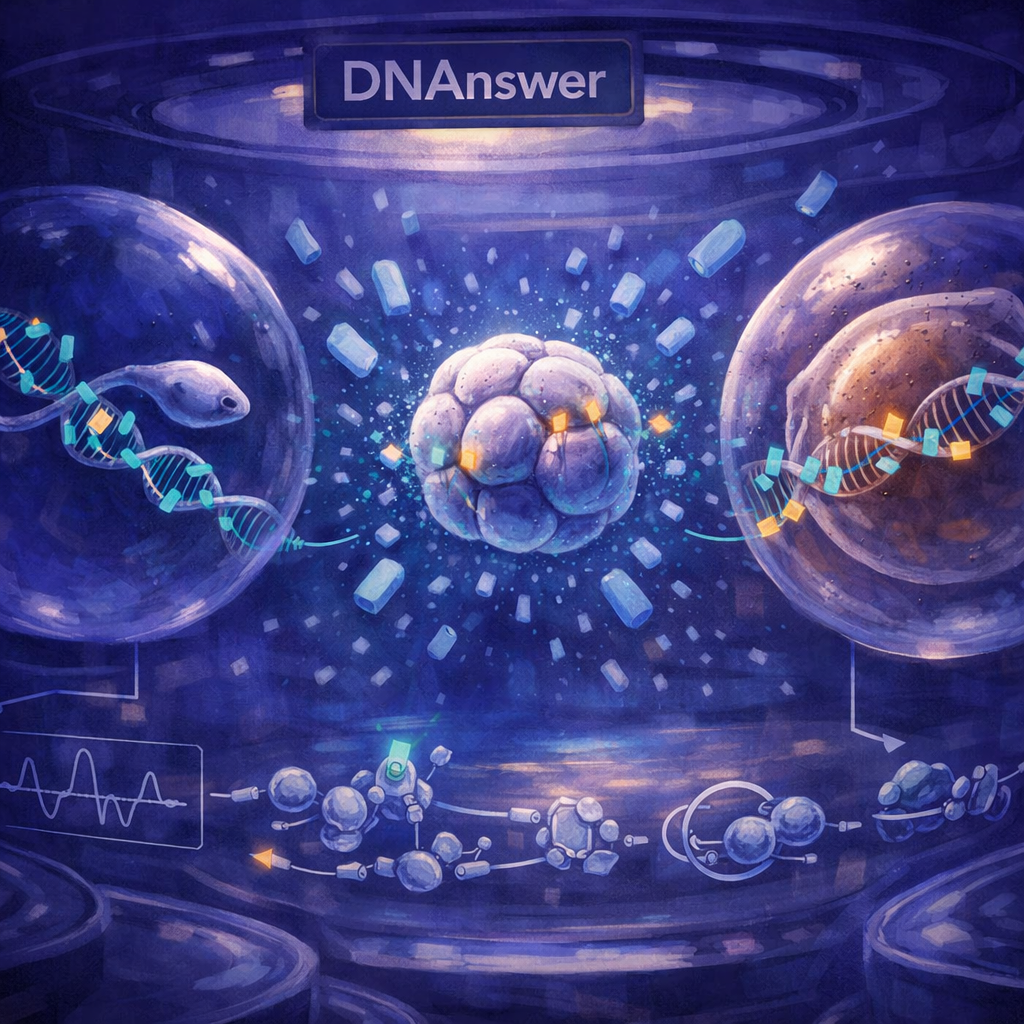
Sperm and egg cells (the germline) can carry some epigenetic marks, and this is where legitimate science gets misquoted into overclaims. Animal studies, particularly in mice, have shown that certain marks tied to diet or stress in a father can influence offspring metabolism or behavior. One well-known line of mouse research found that fathers fed a low-protein diet had offspring with altered cholesterol-related gene expression, linked to changes in small RNA molecules carried in sperm.
That's real, and it's genuinely interesting. But it's mice, under controlled lab conditions, with a specific and severe dietary manipulation, tracked over one generation. Extending that finding to "your typical bad Tuesday defines your future kid's cholesterol" skips several steps of caution.
Why Erasure Is the More Interesting Story
Germline reprogramming isn't a footnote — it's the headline. Each generation, the cells that will become sperm or eggs undergo a broad epigenetic reset, particularly during early embryonic development and again during the formation of primordial germ cells (the earliest cells destined to become reproductive cells). This reset strips most existing methylation patterns and rebuilds them anew.
Why would evolution build such an aggressive erasure system? Because inheriting your parents' unpredictable, moment-to-moment environmental responses by default would be a bad survival strategy. A body needs to reset each generation's starting instructions to a clean, reliable baseline, and only let through the rare mark that consistently signals something adaptive. Erasure is the default. Transmission is the exception that needs a special explanation.
So no, a stressful semester of college doesn't automatically get baked into your future children's genome. Your body is, by design, resistant to that.
Myth: Epigenetics Proves Lamarck Was Right About Inherited Traits
Lamarckism is the 19th-century idea that traits acquired during an organism's lifetime — a blacksmith's muscles, a giraffe's stretched neck — get passed directly to offspring. Epigenetics doesn't vindicate this idea; it explains a narrow, specific exception to Darwinian inheritance while leaving the general rule intact.
Jean-Baptiste Lamarck proposed his theory decades before Darwin's On the Origin of Species (1859), and it was mostly abandoned once genetics showed that inherited traits pass through DNA sequence changes selected over generations, not through use or experience. When epigenetic inheritance research picked up steam in the 2000s, some science writers got excited that it looked like a partial comeback for Lamarck. Headlines ran with "Lamarck was right after all."
He wasn't, not in the way the headlines implied. Lamarck's model proposed a general mechanism: any acquired trait, from muscle strength to learned behavior, gets transmitted. What epigenetics actually shows is far narrower — a small subset of environmentally triggered marks occasionally survive germline reprogramming, under specific conditions, usually documented most clearly in organisms simpler than humans.
Plants offer some of the cleanest examples. Certain plant species show heritable epigenetic changes across many generations because plants don't undergo the same kind of germline reprogramming that erases marks in mammals. That's an important species difference people gloss over: what's true for a plant's epigenetic inheritance often has no equivalent claim in humans, because the underlying reset machinery is different.
Worms (Caenorhabditis elegans, a lab staple in genetics research) have also shown multi-generational epigenetic effects, sometimes lasting many generations from a single environmental trigger. Mice show effects too, but usually fading out within a handful of generations rather than persisting indefinitely.
- Lamarck proposed a general, all-purpose mechanism for inheriting acquired traits.
- Modern epigenetics shows a narrow, exception-based mechanism, not a general one.
- The mechanism strength varies hugely by species — plants and worms show more persistence than mammals.
- Mammalian germline reprogramming actively works against long-term persistence.
- No credible geneticist treats epigenetics as full vindication of Lamarckism.
The honest summary: epigenetics reopened a conversation about how flexible inheritance can be, but it didn't overturn a century of genetics. It added a footnote, not a new chapter.
Myth: Mouse Study Results Translate Directly to Human Families
A study headline says "mice pass down stress response through four generations" and readers assume the same holds for human families dealing with trauma. Mouse findings are a starting point for hypotheses about humans, not a direct prediction of human outcomes — and the gap between the two is bigger than most coverage admits.
Mice make convenient research subjects for a specific reason: short generation times (about 9-10 weeks from birth to reproductive maturity) let researchers track four or five generations within a few years. You can't do that with humans without waiting a century or more, which is exactly why so much of the transgenerational inheritance literature leans on mice.
The problem is biological, not just practical. Mouse germline reprogramming, litter size, gestation length, and epigenetic reset timing all differ from human biology in ways that matter for how marks form and how long they last. A well-known mouse study on odor fear conditioning found that mice trained to fear a particular smell had offspring, and even grand-offspring, that showed heightened sensitivity to that same smell — without ever being exposed to it directly. That's a striking finding, and it's been influential in the field.
Why Lab Control Doesn't Transfer to Human Life
Mice in that kind of study are genetically near-identical (inbred lab strains), raised in identical cages, fed identical food, and exposed to one tightly controlled variable. Human families share genes loosely, live in wildly different environments, and are never exposed to just one isolated variable across generations. You can't run a controlled trial on human trauma the way you can on mouse odor conditioning, so human epigenetics research leans heavily on observational data, which is weaker for establishing cause and effect.
What's Actually Transferable
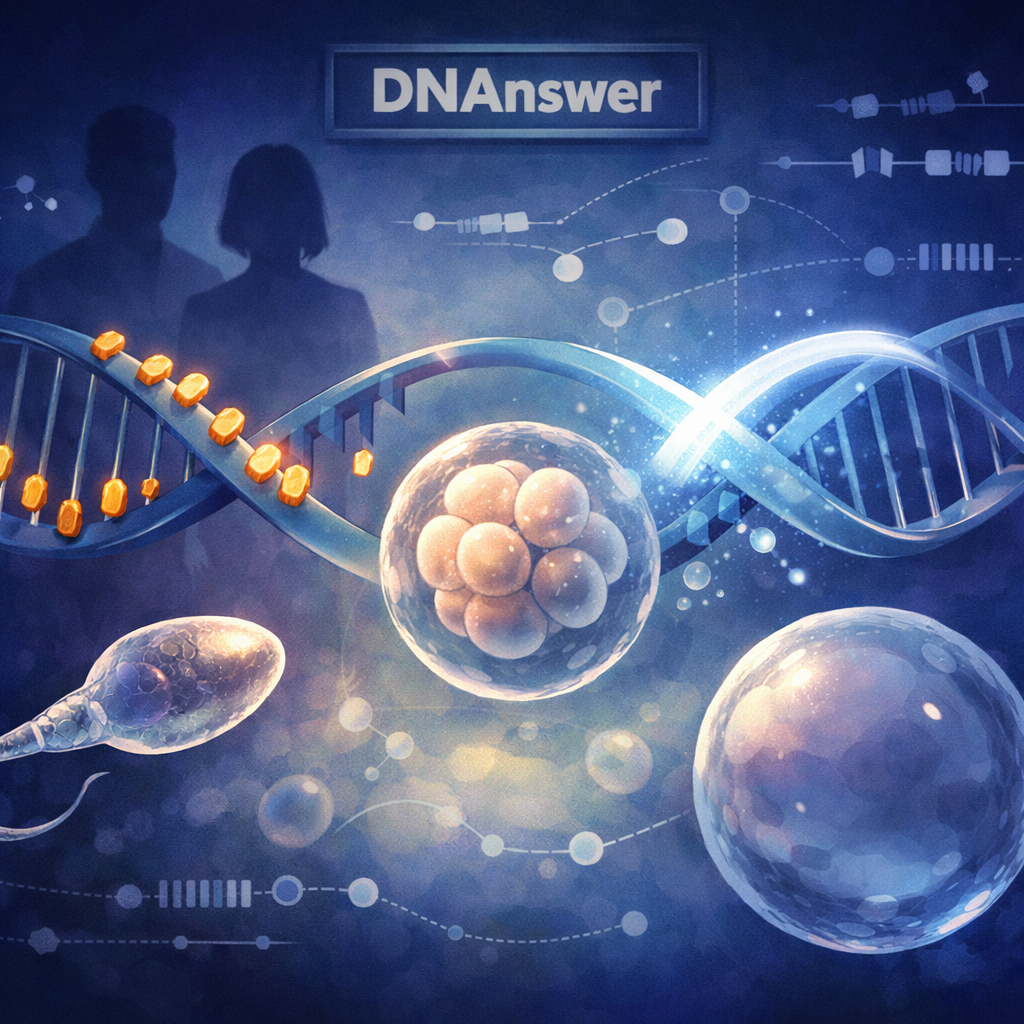
The transferable part isn't the specific result — it's the mechanism hypothesis. If mice can carry certain small RNA signals in sperm that influence offspring gene expression, that gives researchers a testable hypothesis to look for in human sperm studies, which do exist and are ongoing. It's a lead worth following, not a conclusion already reached.
Read mouse-based epigenetics headlines as generating hypotheses about humans, worth taking seriously and worth funding follow-up research on. Don't read them as settled facts about your own family history.
What Actually Changes: Setting Realistic Expectations About Your Own Habits
Here's the version of this story that deserves more attention than it gets: your lifestyle reliably changes your own gene expression, right now, in your own tissues, and that effect is well documented and worth acting on independent of any inheritance question.
Diet, exercise, sleep, smoking status, and chronic stress all show measurable effects on DNA methylation patterns in your blood, liver, and other tissues over the course of your life. This is where the "epigenetic clock" concept comes from — a set of methylation markers researchers use to estimate biological aging, developed initially by researchers like Steve Horvath, whose methylation-based aging clocks are widely cited in aging research. Whether these clocks perfectly predict your own personal risk is still debated, but the underlying signal — that lifestyle changes methylation in measurable ways — is solid.
What this means practically: quitting smoking changes gene expression patterns in your lung and blood cells within months, some of which partially reverse over subsequent years. Exercise changes methylation patterns in muscle and fat tissue in ways connected to metabolic health. Chronic stress and poor sleep show altered methylation in genes tied to inflammation and immune function.
None of that requires passing anything to your children to matter. It matters for you, today, in your own body.
Where the inheritance question does have some legitimate footing is in a narrower, more direct case: your health status at the moment of conception and during pregnancy. A parent's metabolic health, nutrition, and exposure to toxins during the specific window of conception and gestation can influence the developing fetus's own epigenetic patterns directly — not through some mystical multi-generational transmission, but through direct biological exposure, similar in kind to the Dutch Hunger Winter case discussed earlier.
That's a meaningfully different claim than "decades of your lifestyle before conception get encoded into your children's genome forever." It's also more actionable: prenatal health, maternal and paternal, in the months immediately around conception and through pregnancy has a real, evidence-backed connection to offspring outcomes. That's worth prioritizing on its own merits, independent of any epigenetic mechanism.
If you want to test your own understanding of how methylation, histone modification, and gene expression fit together, a short quiz format tends to make the distinctions stick better than reading alone — which is part of why platforms like dnanswer.app built epigenetics quizzes into their app rather than relying on static explainer posts.
Conclusion
The next time a post claims your childhood stress rewrote your future kids' genes, ask which claim it's actually making: gene expression change (well supported), direct fetal exposure effects (supported, case-specific), or multi-generational inheritance beyond that (rare, mostly seen in mice and plants). Your habits matter most for your own biology and for your pregnancy window — not as a permanent genetic legacy.
Frequently Asked Questions
Does stress during pregnancy actually affect my baby's genes?
It can affect the baby's gene expression through direct biological exposure during development, similar to the Dutch Hunger Winter findings — but this isn't the same as changing the baby's DNA sequence, and it's not proof the effect passes to a third generation.
Can epigenetic changes ever be undone?
Yes, many are reversible. Quitting smoking, improving diet, and reducing chronic stress can shift methylation patterns back over months to years, though not always completely, depending on the tissue and how long the exposure lasted.
Is epigenetic inheritance the same thing as evolution?
No. Evolution requires DNA sequence changes selected over many generations. Epigenetic inheritance involves temporary changes in gene activity that mostly get erased by germline reprogramming each generation, so it doesn't drive long-term evolutionary change the way mutation does.
Why do mice show stronger transgenerational effects than humans seem to?
Partly lab control (identical genetics, environment, single-variable exposure) and partly real biological differences in reprogramming timing. Human studies rely on messier, observational data, so effects that look strong in mice often can't be confirmed at the same strength in people.