Ecological Niche: Why No Two Species Can Occupy the Same Role
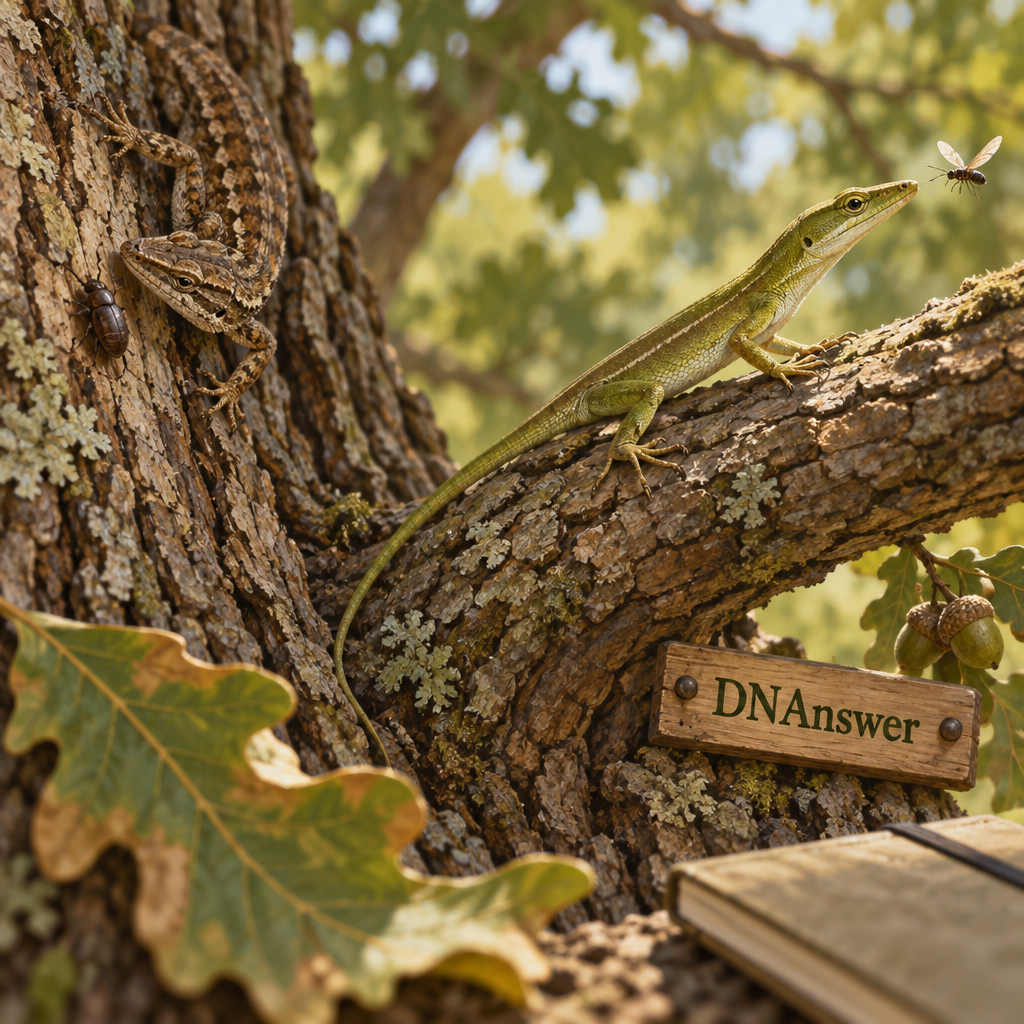
Two lizard species sit on the same branch, eating the same insects, living in the same tree. According to basic ecology, this shouldn't last. One theory says the loser either dies out, leaves, or changes what it eats within a few generations. That theory is competitive exclusion, and it explains why rainforests, coral reefs, and your backyard are packed with species that look like they're doing the same job but actually aren't. The confusion starts with a simple mix-up: people use "niche" and "habitat" interchangeably, when one means where a species lives and the other means what it does there.
Getting this wrong matters beyond trivia night. Students lose points mixing up niche and habitat on exams. Nature documentary fans walk away thinking competition always ends in a corpse, when it usually ends in change. And anyone trying to understand invasive species, pandemic-era microbiology, or basic evolution theory needs this concept straight, not fuzzy.
Key Takeaways
- Niche means a species' role and resource use, not its address — that's habitat.
- Competitive exclusion predicts divergence or displacement, not automatic extinction.
- Gause's principle came from yeast and protozoa experiments, not vague theory.
- Resource partitioning lets similar species coexist by splitting food, time, or space.
- The fundamental niche is what a species could use; the realized niche is what it actually gets.
- Character displacement is evolution's answer to competitive pressure, not an exception to the rule.
Myth 1: Niche and Habitat Mean the Same Thing
Ask ten people what a "niche" is, and most will describe a place — a rainforest canopy, a tide pool, a specific zip code of nature. That's not wrong exactly, but it's describing the habitat, not the niche. This mix-up is probably the single most common error in intro biology classes, and it trips up test-takers every semester.
The honest reason people blur the two is that location and role usually travel together. A clownfish lives in a sea anemone (habitat) and also eats anemone leftovers while providing it protection from predators (niche). Since you usually learn about both at once, the brain files them as one concept.
But here's the clean split: habitat is the physical address, niche is the job description. The ecologist Eugene Odum, one of the founders of modern ecosystem ecology, put it memorably:
"The habitat is the address, and the niche is the profession."
Same Address, Different Jobs
Think about a single oak tree. It hosts woodpeckers drilling for beetle larvae, squirrels eating acorns, aphids sucking sap, and owls hunting mice at night. Same habitat, four completely different niches. None of them compete directly because their resource use doesn't overlap.
Same Job, Different Address
Flip it around: a prairie dog in Kansas and a marmot in the Rocky Mountains do nearly identical ecological jobs — digging burrows, eating grasses, alerting each other to predators — but live hundreds of miles apart. Same niche, different habitat.
Once you separate the two ideas, competitive exclusion actually makes sense. It's not about who shares a zip code. It's about who's competing for the exact same resources, at the exact same time, in the exact same way. That precision is the whole point of the principle — and it's why the next myth trips people up so badly.
Myth 2: Competitive Exclusion Means One Species Always Goes Extinct
This is the myth with real teeth, because it shapes how people interpret everything from invasive species to business competition metaphors. The belief goes like this: if two species compete for the same niche, one wins and the other disappears. Full stop, nature red in tooth and claw.
The kernel of truth here is real. The competitive exclusion principle (sometimes called Gause's principle, after Soviet ecologist Georgii Gause) does say that two species cannot indefinitely coexist on the exact same limiting resource in a stable environment. Gause demonstrated this in the 1930s with two species of Paramecium, single-celled pond organisms, grown together in jars of broth. When he put Paramecium aurelia and Paramecium caudatum in the same container competing for the same bacteria, caudatum consistently got outcompeted and crashed toward extinction within about two to three weeks.
So extinction can happen. But it's not the only outcome, and treating it as the default misses most of what actually happens in nature.
The Three Real Outcomes
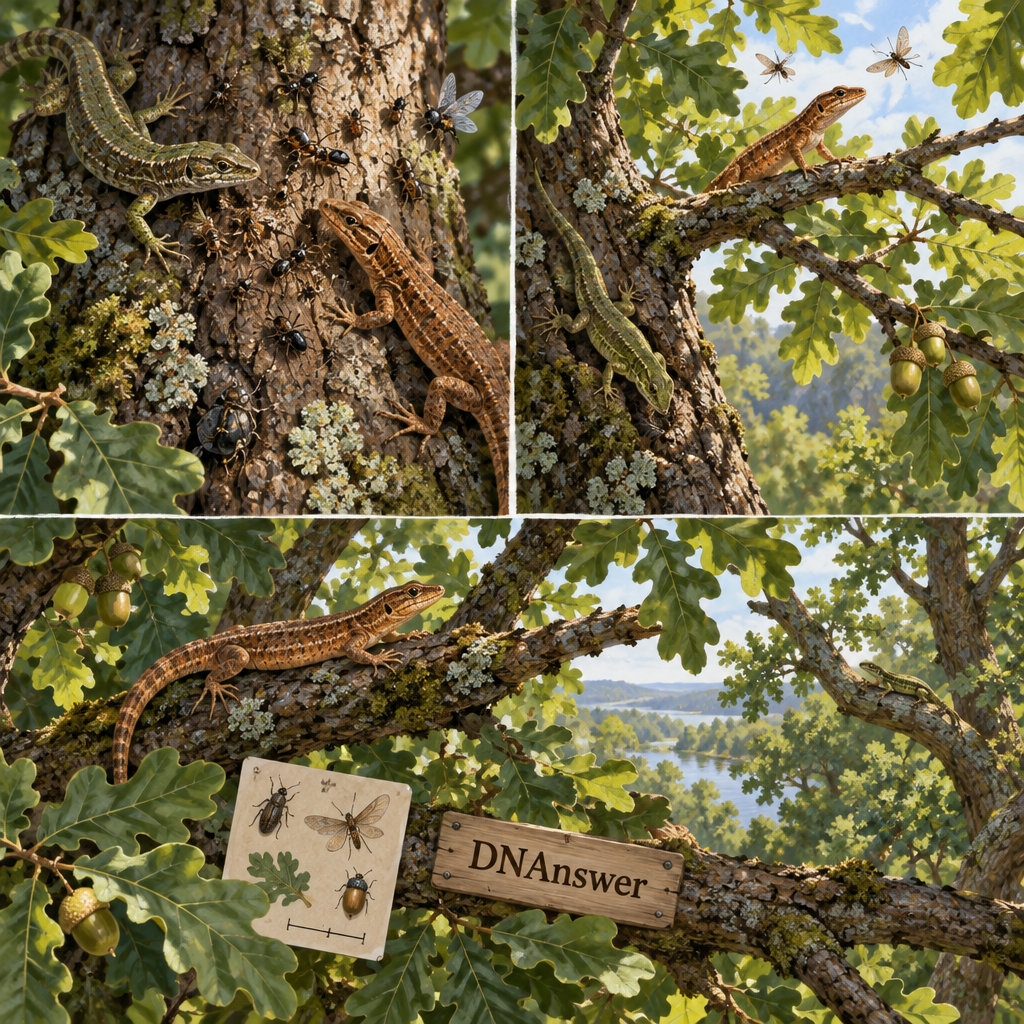
- Local extinction: one species dies out in that specific area, which is what Gause's lab paramecia experienced because they had nowhere to go.
- Emigration: one species leaves for a less crowded patch of habitat, which happens constantly in open ecosystems that jars can't replicate.
- Niche shift: one or both species change their resource use over generations, splitting the niche instead of fighting over all of it.
- Temporal or spatial partitioning: species shift when or where they access the same resource, easing direct competition without full separation.
In the wild, option three happens far more often than option one. Darwin's finches on the Galápagos Islands are the textbook case: when multiple finch species compete for the same size of seeds, beak sizes diverge over generations until each species specializes in a different seed size. Nobody goes extinct. Everybody adjusts.
The practical takeaway: when you see two similar species sharing space, don't assume you're watching a countdown to extinction. You're more likely watching evolution in progress, which brings up the next misconception directly.
Myth 3: Competitive Exclusion Is an Absolute Law of Nature
People love calling biological patterns "laws," the same way they talk about the "law of the jungle." It feels tidy. But competitive exclusion isn't gravity. It's a strong tendency under specific conditions, and ecologists have known this since the idea was first tested.
The honest origin of the "ironclad law" belief traces back to how the principle gets taught: as a clean, almost mathematical statement, often paired with simplified lab graphs showing one population crashing to zero. Clean graphs make strong impressions. Messy rainforests don't photograph as neatly for a textbook.
What the Lab Conditions Actually Required
Gause's paramecium experiment worked because the jars were closed systems: fixed resources, no immigration, no environmental fluctuation, no third species muddying the water. Real ecosystems rarely look like that. Resources fluctuate with seasons, droughts, and fires. New individuals arrive from elsewhere. Predators and diseases reshuffle the deck before competition can finish playing out.
Why Stable, Limited-Resource Conditions Are the Catch
The principle holds strongest when resources are genuinely limited and the environment stays stable long enough for competition to run its course — think a closed island, a isolated lake, or a controlled lab setting. Drop in disturbance, like a hurricane or a wildfire, and the "loser" species often gets a fresh chance before exclusion finishes.
Ecologists now treat competitive exclusion as a pressure, not a verdict. It's one force among many — predation, disturbance, climate variability — all pulling on populations at once. In a lake with constant resources, full exclusion might take a hundred generations, longer than most disturbances allow. The principle describes a tendency under stable conditions, not a guaranteed endpoint.
That reframing matters for the next myth, because it explains why nature is full of apparent exceptions that aren't exceptions at all.
Myth 4: Overlapping Species Prove Competitive Exclusion Is Wrong
Walk through almost any field guide and you'll find dozens of closely related species living side by side — warblers in the same forest, barnacles on the same rock, ants in the same colony of leaf litter. To a casual observer, this looks like obvious proof that competitive exclusion is false. If the rule were real, wouldn't these species have sorted themselves out by now?
This is a fair question, and the people asking it aren't being careless. They're just missing one detail: overlap in habitat doesn't mean overlap in niche. The classic study here is Robert MacArthur's work on five species of warblers in New England spruce forests during the 1950s. All five birds looked similar, ate insects, and lived in the same trees. But MacArthur tracked exactly where each species foraged and found real separation.
Resource Partitioning in Action
The Cape May warbler fed near the treetops. The bay-breasted warbler worked the middle branches. The black-throated green warbler stuck to the outer, denser foliage lower down. Each species had carved out a distinct feeding zone within the same tree. This is resource partitioning: dividing a shared resource by location, timing, or method so direct competition eases off.
Fundamental Niche vs. Realized Niche
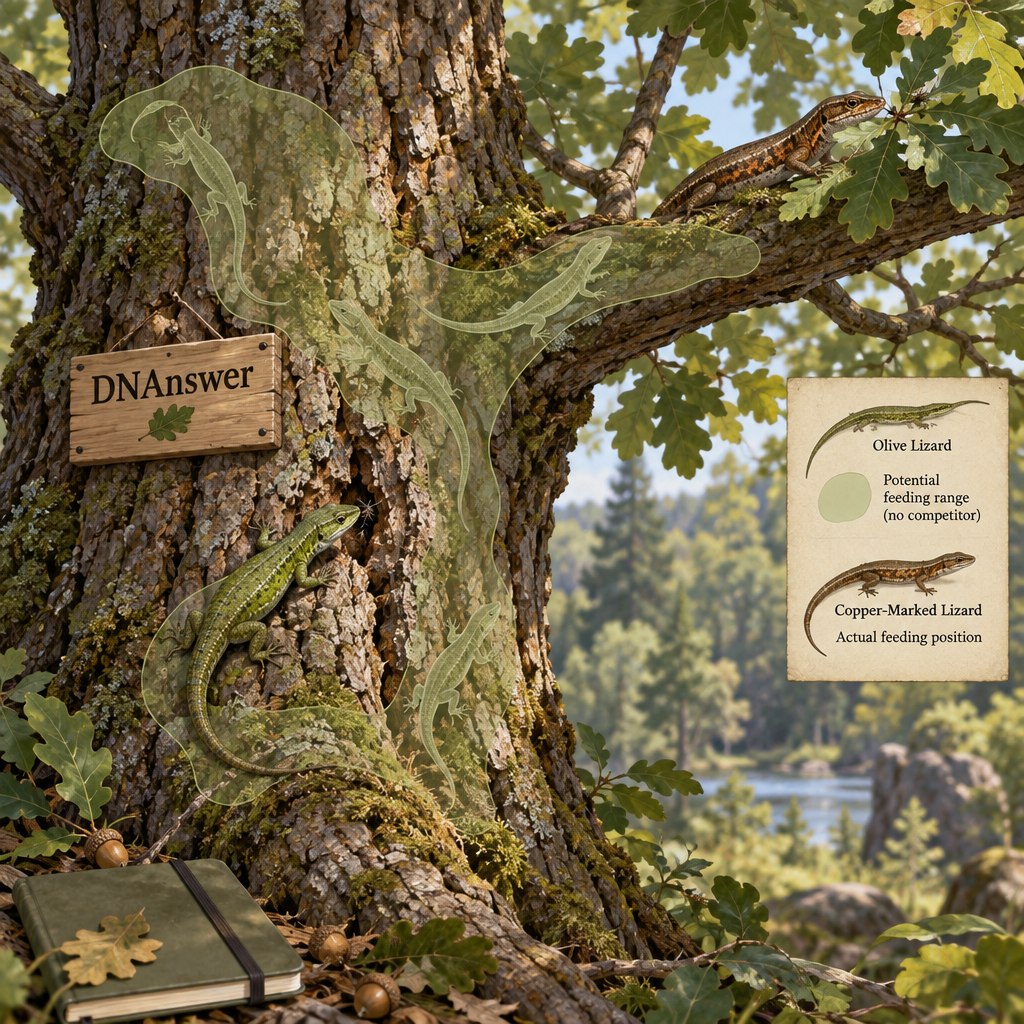
This example also shows the gap between two related ideas. The fundamental niche is the full range of conditions and resources a species could theoretically use if nothing else got in the way. The realized niche is the narrower slice it actually occupies once competitors, predators, and other pressures factor in. Each warbler's fundamental niche probably overlapped heavily with its neighbors. Competition squeezed their realized niches into separate lanes.
Partial overlap also doesn't mean failure of the principle. Two species can share 80% of their resource use and still coexist indefinitely if that remaining 20% gives each one a refuge the other can't touch. Total identical overlap is rare in nature precisely because competitive exclusion has already filtered it out over evolutionary time. What survives to be observed is the post-filtering result, not a disproof of the filter.
Myth 5: Species That Compete Just Stay the Same
Here's a subtler myth, common among people who've grasped the basics but stopped one step short: they think competition is a static standoff, like two boxers circling each other forever without landing a punch. In reality, sustained competitive pressure changes species physically, sometimes within a measurable number of generations.
The clearest evidence is character displacement: when two competing species evolve different physical traits specifically because they compete, and the differences are more pronounced where they overlap than where they live apart. Darwin's finches show this again. On islands where Geospiza fortis and Geospiza fuliginosa coexist, their beak sizes separate sharply. On islands where only one species lives alone, that species' beak size drifts toward a middle ground, since there's no competitor to push it toward specialization.
This pattern — divergence where species meet, convergence where they don't — is hard to explain any other way. It's direct evidence that competitive exclusion is actively doing work, not failing to apply. The finches aren't an exception to the rule. They're the rule caught in the act.
The practical lesson: if you spot two similar species coexisting, check whether they show small but consistent differences in body size, feeding time, or behavior, especially compared to populations of the same species living without that competitor nearby. If the differences show up only where they overlap, you're watching evolution handle a resource conflict in real time. That pattern is worth tracking, and it's exactly the kind of mechanism-over-memorization question that shows up in molecular ecology quizzes on apps like dnanswer.app, where you can test whether you actually understand the difference between a textbook rule and a living process.
Conclusion
Competitive exclusion isn't a verdict handed down once and forgotten — it's ongoing pressure that keeps reshaping who eats what, when, and where. Next time you spot two similar species sharing space, don't ask "why hasn't one died yet?" Ask what small difference, in timing, diet, or location, is letting them split the resource. That question tells you more about evolution than any textbook definition ever will.
Frequently Asked Questions
What's the difference between niche and habitat?
Habitat is where a species lives — the physical location, like a coral reef or a prairie. Niche is what it does there — its diet, activity schedule, and role in the food web. Two species can share a habitat but hold completely different niches.
Does competitive exclusion always cause extinction?
No. Extinction is one possible outcome, but species more often shift their resource use, relocate, or diverge physically over generations. Georgii Gause's 1930s paramecium experiments showed extinction in closed lab jars, but open ecosystems give species more escape routes.
Can two species with overlapping niches coexist permanently?
Yes, if they partition resources by time, location, or method, even with partial overlap. MacArthur's 1950s warbler study found five similar species feeding in distinct zones of the same spruce trees, easing direct competition without eliminating overlap entirely.
Is competitive exclusion a proven scientific law?
It's a well-supported principle under stable, resource-limited conditions, not a universal law like gravity. Disturbances such as fires, floods, or seasonal resource shifts routinely interrupt the process before full exclusion occurs, which is why so many "exceptions" exist in real ecosystems.