White Blood Cells: How They Defend Your Body
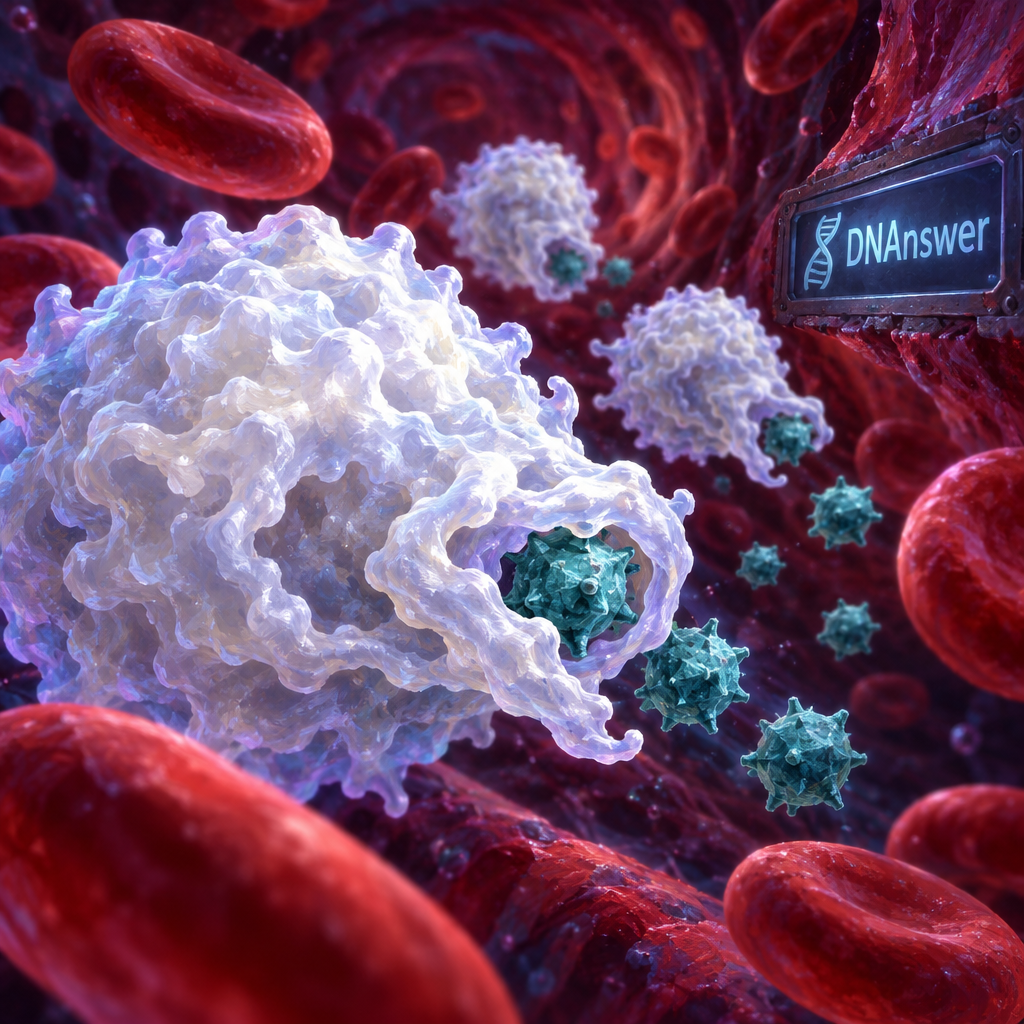
Why would your body make nearly 100 billion white blood cells every day, when they make up only about 1% of your blood? Because white blood cells (also called leukocytes, from the Greek for "white cell") are your immune system's workforce. Bone marrow, the soft tissue inside your larger bones, builds them, and they patrol your blood and tissues for bacteria, viruses, parasites and abnormal cells.
Five main types split that work. Several popular beliefs about them are wrong, and those errors can cost you money or peace of mind.
Key Takeaways
- Your body makes about 100 billion white blood cells daily.
- Five types exist, each with a different job.
- A high count usually signals activity, not strength.
- No drink or supplement boosts white blood cells reliably.
- One out-of-range result needs context before it needs worry.
- White blood cells also hunt viruses, parasites and abnormal cells.
Myth 1: "A Higher White Blood Cell Count Means a Stronger Immune System"
A high count looks like proof of strength. It isn't. A high count means your immune system is responding to something, and that something is usually trouble.
Why people believe it
The logic feels natural. More soldiers should mean a better army. And when you get sick, your count does rise, so the link between "lots of white blood cells" and "fighting hard" is real.
What the number actually measures
A doctor reads your count as a snapshot of activity. The normal adult range is 4,000 to 11,000 cells per microliter of blood (a microliter is one millionth of a liter, roughly a speck of blood). Above 11,000 is called leukocytosis, the medical term for a high count.
Hematologist Danielle Nance, MD, of Banner Health put it plainly:
A white blood cell count reflects how active the immune system is at that moment in time.
Common causes of a high count include infection, injury, allergies, smoking, stress, and some medications. Autoimmune conditions such as rheumatoid arthritis (where the immune system attacks the body's own joints) and blood cancers like leukemia can raise it too. In leukemia, the extra cells are abnormal and don't defend you at all.
What to do differently
Stop treating a high number as a trophy. If your result is flagged high and you feel fine, it often reflects a recent cold, a hard workout, or a stressful week. The drawback of this reassurance is real, though: occasionally a high count is the first sign of something serious, so a persistently rising number deserves follow-up.
Myth 2: "You Can Boost Your White Blood Cells With the Right Drink or Supplement"
Search for "what drink helps white blood cells" and you'll find juices, teas, shots and capsules, all promising a lift. The honest answer is that no single drink has been shown to raise your white blood cells in a way that protects you better.
The kernel of truth
Your immune cells do need raw materials. A deficiency in vitamin B12, for example, can lower your white blood cell count, because bone marrow needs that vitamin to build blood cells. So nutrition matters. That's the true part the marketing borrows.
Why "boosting" is the wrong goal
Fixing a deficiency is different from pushing a healthy system past normal. If your marrow already makes about 100 billion cells a day, a smoothie isn't going to double that. And more isn't better anyway, as Myth 1 showed. An immune system pushed into overdrive causes its own damage, which is what happens in allergies and autoimmune disease.
Think of a fire department. You want enough trained crews, good communication and fast response. You don't want twice as many trucks racing out for every candle.
What helps in practice
The boring habits support your marrow and your immune signaling best. That means regular sleep, not smoking, vaccines on schedule, and enough protein and vitamins from ordinary meals. If a product promises to "boost immunity," ask what it measures and who tested it. Most can't answer.
Myth 3: "White Blood Cells Are One Kind of Cell Doing One Job"
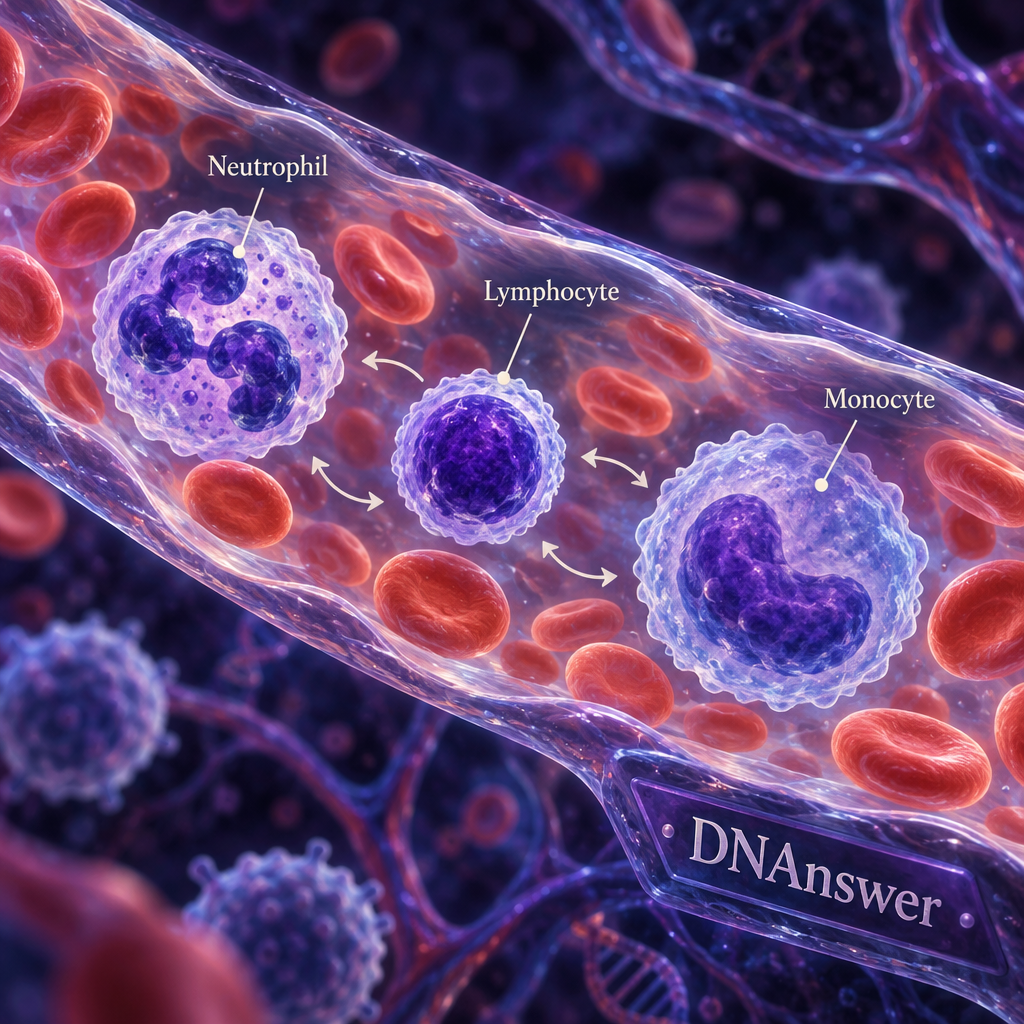
Picture one cell type that roams around eating germs. That's the cartoon version. Real white blood cells are five specialized types, and they work like a team with different training.
Where the cartoon comes from
Early microscope work showed that white cells could swallow particles, a process called phagocytosis (from Greek words meaning "eating cell"). That striking image stuck. But it describes only some of your white blood cells, not all.
The five types and their jobs
Neutrophils are your first responders. They're the most numerous type, kill and digest bacteria and fungi, and live less than a day, which is why your marrow never stops making them.
Lymphocytes are the specialists. They include B cells, which make antibodies (Y-shaped proteins that lock onto a specific invader), and T cells, which kill infected cells and coordinate other immune cells.
Monocytes live longer and break down bacteria. In tissues they become macrophages ("big eaters"), which patrol and clean up.
Eosinophils attack parasites and cancer cells and take part in allergic responses.
Basophils are the smallest group. They release chemicals such as histamine (the compound behind runny noses and hives) that help sound the alarm.
What changes for you
When a lab report lists these types separately, each one tells a different story. A high eosinophil count points toward allergy or parasites. A high neutrophil count points toward bacteria. The total hides all of that.
Myth 4: "White Blood Cells Only Fight Bacteria"
Bacteria get the attention because antibiotics target them. That makes it easy to think white blood cells exist mostly for bacterial infections. They don't.
Viruses need a different approach
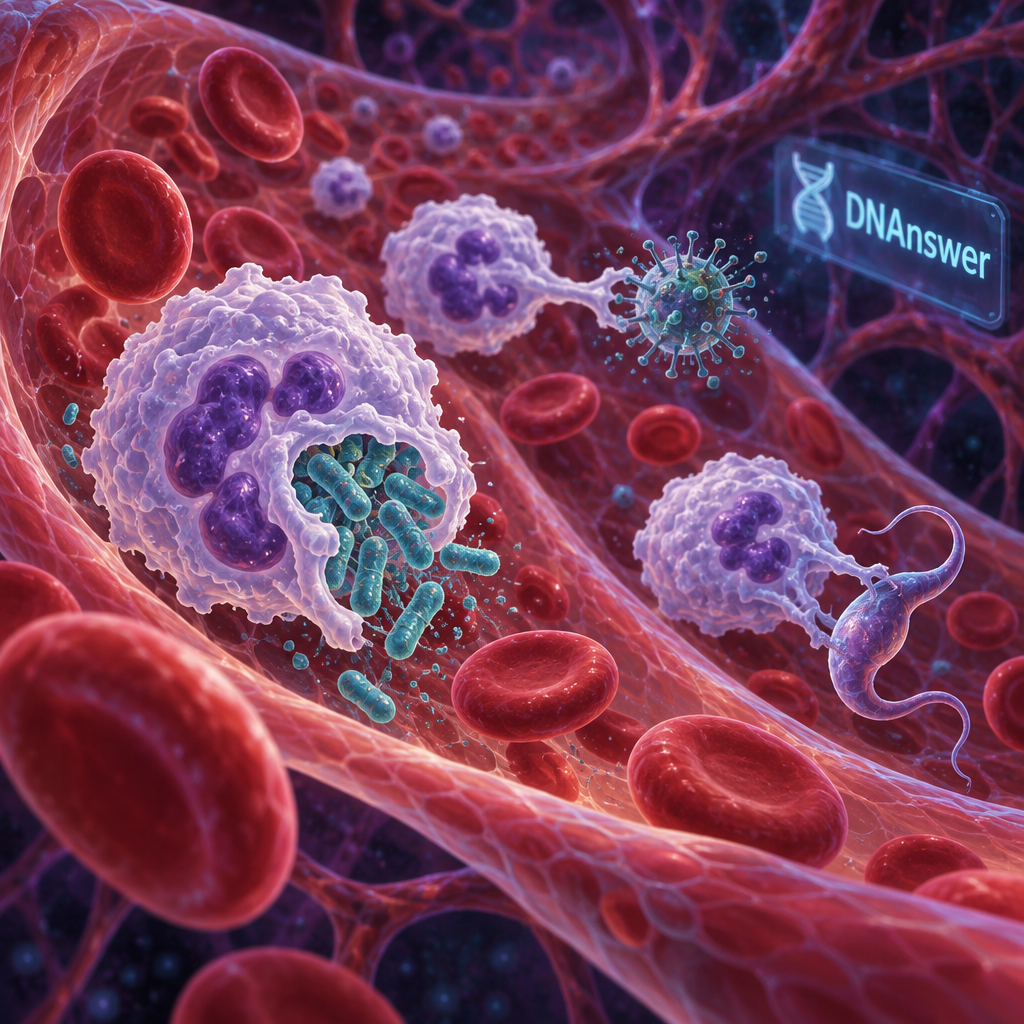
Viruses hide inside your own cells, where neutrophils can't reach them. So your body uses T cells. A cytotoxic T cell ("cell-poisoning" T cell) checks other cells for viral fragments displayed on their surface. When it finds one, it triggers that cell to self-destruct, and the virus dies with it.
Parasites and abnormal cells
Parasites such as worms are too big to swallow. Eosinophils release toxic granules onto them instead. Meanwhile, lymphocytes also hunt cancer cells and other abnormal cells, which is one reason immune research focuses so heavily on them.
The practical point
This matters when you're sick. Antibiotics kill bacteria but do nothing against viruses, so asking for them for a cold doesn't help your white blood cells do their job. Your immune cells are doing the viral work. Rest and fluids give them time.
How White Blood Cells Coordinate: The Signals Behind Your Defense
Here's a scene. You scrape your knee on a sidewalk. Within minutes the area is red, warm and swollen. Nobody gave an order, yet hundreds of cells moved in the right direction. They followed chemical messages.
Cytokines: the group chat of the immune system
Cytokines are small signaling proteins that immune cells release to talk to each other. Damaged tissue and early responders send them out. Other white blood cells have receptors, docking points on their surface, that detect these signals and tell them where to go and what to do.
Inflammation and fever
That red, warm swelling is inflammation. Blood vessels widen and become leaky so white blood cells can slip out of the bloodstream into the injured tissue. Some cytokines also reach your brain and raise your body's temperature set point, which produces fever.
Fever isn't a malfunction. It's part of the response. A mild fever is often not worth knocking down aggressively, though a high or lasting one needs medical attention.
Immune memory
After an infection, some B and T cells stay behind as memory cells. They recognize the invader quickly next time. Vaccines work by showing your immune system a harmless version of a germ, so your lymphocytes build that memory without the illness.
That is why a balanced, communicating team matters more than raw numbers.
Myth 5: "One Out-of-Range Count Means Something Is Wrong"
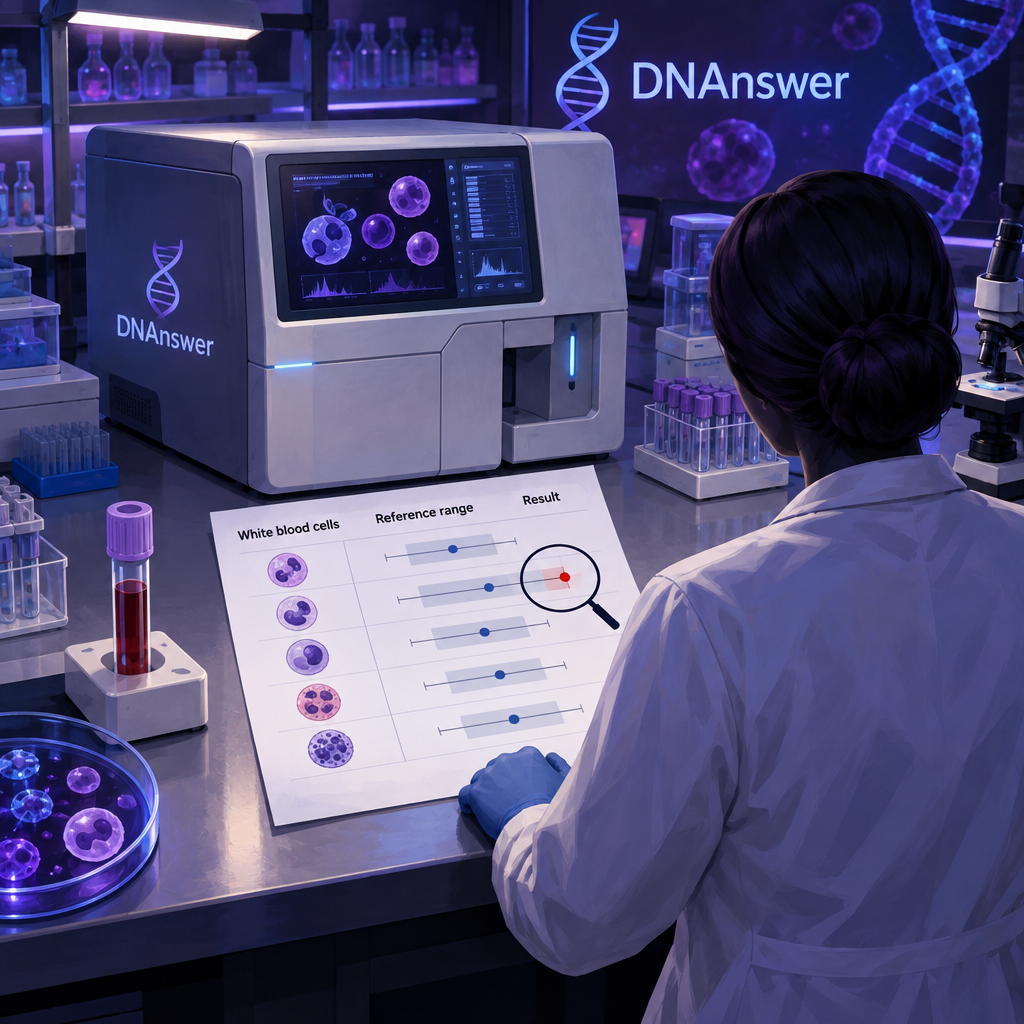
Your result comes back with a flag. Your stomach drops. Before you search symptoms at midnight, know that a single reading rarely tells the whole story.
Why one number misleads
Your count moves up and down during the day and across weeks. Normal ranges also differ by lab and age. A healthy person can sit slightly outside the usual 4,000 to 11,000 range.
Low counts are different from high ones
A count below 4,000 is called leukopenia. Causes include bone marrow problems, chemotherapy, vitamin B12 deficiency, and HIV/AIDS. With fewer defenders, infections become more likely, so a low count with symptoms deserves quicker attention.
How to read your result
Follow these steps when a result lands outside the range:
- Check which number is flagged and by how much.
- Think about recent illness, injury, new medications, smoking or stress.
- Ask whether your provider ordered a differential, the breakdown by cell type.
- Repeat the test if your provider suggests it.
- Call promptly if you have fever, shortness of breath, severe pain or a wound that won't heal.
There's no single "dangerous" number I can give you, because it depends on the cause and your symptoms. Very high or steadily climbing counts lead to referral to a hematologist, a doctor who specializes in blood.
Quick Reference: Who Does What
Here's the whole team in one place. Neutrophils are the most common and respond first to bacteria and fungi. Lymphocytes produce antibodies and kill infected cells. Monocytes and their tissue form, macrophages, engulf debris and microbes. Eosinophils go after parasites and join allergic reactions. Basophils release histamine to spread the alarm.
If you enjoy testing yourself on this kind of thing, dnanswer.app offers free molecular biology quizzes where you can practice telling these cell types apart.
Conclusion
Use your white blood cell count as a clue, not a score. Next time a result is flagged, note your recent health and stress, then ask your provider for the differential and whether a repeat test makes sense. Skip the "immune booster" aisle. Put that effort into sleep, vaccines and regular checkups instead.
Frequently Asked Questions
How many white blood cells are in the human body?
Your body holds billions at any moment, but the exact total varies by person and isn't measured routinely. What labs count is concentration: 4,000 to 11,000 per microliter of blood. Your marrow makes nearly 100 billion new ones daily.
What is a dangerous white blood cell count?
No single number is dangerous on its own. Counts far outside the range, or counts that keep rising or falling, call for evaluation. Symptoms such as fever, shortness of breath or severe pain make it more urgent.
How can I keep my white blood cells healthy?
Sleep regularly, avoid smoking, stay current on vaccines, and eat a varied diet that includes vitamin B12. Those habits support marrow function. Specific supplements help only if a test shows you're deficient.
Should I be concerned if my white blood cell count is high?
Usually not right away. Infection, stress, allergies and smoking commonly raise it, and it often settles on its own. Follow up if the number is very high, keeps rising, or comes with fever or breathing trouble.